
How Do Wire Harness Cable Ties Improve Automotive Harness Safety and Reliability?
If a wire harness cable tie is treated as a cheap accessory, vibration can turn a neat bundle into chafed insulation, intermittent signal loss, short circuits, and costly warranty complaints.
The most effective solution is to specify automotive-grade cable ties by bundle diameter, mounting structure, material, temperature zone, and vibration risk before the harness drawing is released.
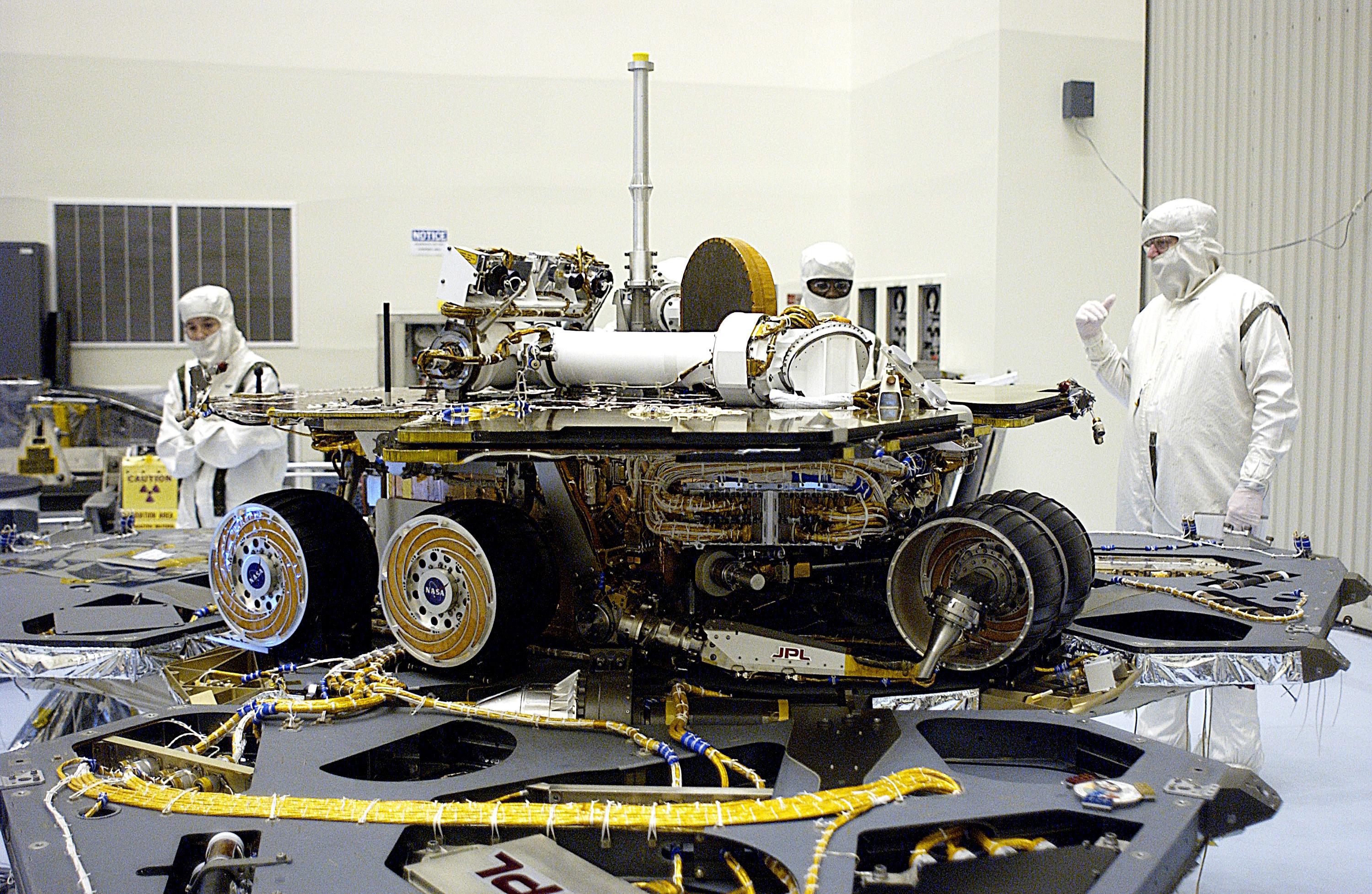
In modern vehicles, cable ties are not only for bundling. They provide routing control, strain relief, branch positioning, and protection against abrasion. NASA workmanship guidance even treats harness ties as inspectable items for correct material, spacing, secure locking, and zero wire damage.[1]
Why Are Cable Ties Core Safety Components in Automotive Wire Harnesses?
When harnesses move freely inside an engine bay, door module, battery pack, or chassis rail, insulation can rub against brackets and sharp edges until copper is exposed.
The correct solution is to use wire harness cable ties as engineered fixing points, not temporary straps.
A good tie keeps the harness stable under vibration, protects breakout branches, and prevents stress from transferring into terminals or connector cavities. This is why automotive retainer clip specifications focus on acceptance criteria and mechanical performance for harness-retaining parts.[2]
What Core Functions Should Wire Harness Cable Ties Provide?
A cable tie that only looks tight can still fail if it allows bundle rotation, panel slip, or wire jacket compression during thermal cycling.
The best solution is to choose ties that combine bundling, positioning, strain relief, and environmental resistance in one part.
For automotive harnesses, the tie must hold the bundle without cutting into insulation. It should control harness movement while leaving enough flexibility for service, thermal expansion, and assembly tolerance.
| Cable Tie Function | Risk If Ignored | Recommended Solution |
|---|---|---|
| Precision bundling | Loose wires rub, twist, and deform under vibration. | Use correct width, tensile strength, and bundle diameter range. |
| Strain relief | Connector terminals carry mechanical load and may loosen. | Place ties near connector exits and breakout points. |
| Panel fixation | Harness moves into hot, wet, or sharp zones. | Use fir-tree, edge-clip, stud-mount, or screw-head cable ties. |
| Environmental resistance | Tie becomes brittle, soft, corroded, or flammable. | Select PA66HS, PP, PET, stainless steel, or high-performance polymer by zone. |
Which Cable Tie Material Is Best for Automotive Wire Harnesses?
Using the wrong material can cause ties to crack in cold weather, soften near heat sources, swell around chemicals, or fail flammability expectations.
The correct solution is to match the tie material to the real vehicle environment instead of selecting by price alone.
Wrong: using standard nylon ties everywhere. Correct: classify the harness zone first, then choose the polymer or metal grade based on heat, moisture, chemicals, UV, and flame behavior. UL 94 flammability testing is commonly referenced when evaluating plastic material fire behavior.[3]
| Material Category | Best Application Zone | Engineering Value |
|---|---|---|
| PA66 / PA66HS | Cabin harness, engine peripheral harness, fuse box routing | Strong balance of tensile strength, abrasion resistance, and cost efficiency. |
| PP / PET | Moisture-prone, chemical-exposure, or outdoor vehicle areas | Improves chemical resistance where standard nylon may absorb moisture. |
| Stainless Steel | Heavy-duty vehicles, exhaust-adjacent areas, rail, aerospace, off-road equipment | Provides high strength and severe-environment durability. |
| Soft-contact or coated tie designs | Sensitive insulation, low-noise harnesses, curved routing points | Reduces jacket damage, buzz-squeak-rattle risk, and compression marks. |
How Do Structural Cable Tie Designs Improve Harness Assembly?
A simple cable tie cannot solve every harness routing problem, especially when the bundle must lock into a panel hole, edge flange, weld stud, or serviceable bracket.
The best solution is to use the correct structural design: self-locking ties, releasable ties, push-mount ties, fir-tree ties, edge-clip ties, screw-head ties, or stainless steel ties.
Structure determines how the harness connects to the vehicle body. A fir-tree mount locks into a panel hole, an edge clip grips a sheet-metal edge, and a screw-head tie provides stronger positional control for high-vibration zones.
What Are the Most Common Cable Tie Selection Mistakes?
The most expensive harness failures often start from the cheapest mistakes: over-tightened ties, wrong material, poor spacing, sharp cut ends, or ties installed too close to a bend.
The correct solution is to build cable tie selection into the harness DFMEA, drawing notes, and sample validation process.
Wrong: tightening until the bundle is crushed. Correct: secure the harness firmly without deforming insulation. NASA installation guidance warns that ties should secure bundles without causing damage, and cut ends should not become injury hazards.[1]
How Should Buyers Specify Wire Harness Cable Ties Before Ordering Samples?
If a buyer only sends the words “black nylon cable tie,” the supplier may send a part that looks correct but fails heat aging, vibration, panel retention, or assembly efficiency.
The correct solution is to send a complete application request including bundle diameter, panel hole size, panel thickness, temperature zone, fluid exposure, flame requirement, tensile strength, and mounting direction.
This helps the supplier recommend the right part faster and reduces back-and-forth sampling. For custom automotive harness projects, ask for a small sample set with multiple head styles, materials, and mounting structures before mass production.
FAQ
What are wire harness cable ties used for?
Wire harness cable ties are used to bundle, route, fix, and protect wires inside vehicles or industrial equipment. They keep the harness away from heat, sharp edges, moving parts, and vibration damage.
What is the best material for automotive cable ties?
PA66 or heat-stabilized PA66 is commonly used for many automotive areas. For chemical exposure, high heat, or severe vibration, PP, PET, stainless steel, coated ties, or higher-performance polymers may be better.
Can cable ties damage wires?
Yes. Over-tightened ties can crush insulation, create stress points, and accelerate jacket wear. The tie should hold the bundle securely without cutting, pinching, or deforming the wire.
Are nylon cable ties heat resistant?
Standard nylon cable ties have limited heat resistance. Heat-stabilized nylon grades are better for automotive engine-side applications, but the final choice should follow the real temperature zone and customer specification.
Are stainless steel cable ties good for automotive use?
Stainless steel cable ties are useful in high-strength, high-temperature, corrosive, or heavy-duty vehicle environments. For insulated wires, coated stainless steel ties or protective sleeves may be needed to avoid abrasion.
How do I choose the right cable tie for a wire harness?
Start with the harness diameter, installation location, heat exposure, chemical exposure, vibration level, panel interface, and required service life. Then match the material and structure to those risks.
Conclusion
Wire harness cable ties look small, but they decide whether a harness remains stable, serviceable, and safe throughout vehicle life. A correct tie prevents movement, controls strain, protects insulation, and supports consistent assembly quality.
From my 15 years working with automotive wiring harness design, production, and supplier validation, I have learned one rule: never judge a cable tie by appearance alone. Judge it by the failure it prevents.
If you are developing an EV harness, engine harness, chassis harness, battery harness, or off-road equipment harness, prepare your application data and request matched cable tie samples before tooling or mass production. That is the fastest way to reduce rework, improve reliability, and make the harness easier to build.
References
- NASA Technical Standard NASA-STD-8739.4A, workmanship standard for crimping, interconnecting cables, harnesses, and wiring: https://s3vi.ndc.nasa.gov/ssri-kb/static/resources/nasa-std-8739.4a.pdf
- SAE/USCAR-44, Performance Specification for Automotive Wire Harness Retainer Clips: https://www.sae.org/standards/uscar44-performance-specification-automotive-wire-harness-retainer-clips
- UL Solutions, Combustion Fire Tests for Plastics and UL 94 flammability testing: https://www.ul.com/services/combustion-fire-tests-plastics
- IPC/WHMA-A-620, Requirements and Acceptance for Cable and Wire Harness Assemblies: https://shop.electronics.org/ipcwhma-a-620
- HellermannTyton cable ties and fixings industry guidance: https://www.hellermanntyton.com/competences/cable-ties-and-fixings
- NASA Photojournal PIA04849, Rover 2 image credit NASA/JPL/KSC: https://science.nasa.gov/photojournal/rover-2/


