
How Should You Select PVC, Cloth, or Fleece Tape for Automotive Wire Harnesses?
Choosing the wrong automotive wire harness tape can turn a small wrapping decision into wire abrasion, insulation failure, short circuits, NVH complaints, and even warranty claims.
The most reliable solution is to select tape by harness zone: PVC for economical insulation, cloth tape for heat and abrasion, and fleece tape for cabin noise damping.
Automotive wire harness tape is not just a covering material. It controls routing stability, vibration wear, thermal aging, and cabin noise. In modern vehicles, especially EVs and high-electronics platforms, tape selection should follow temperature class, abrasion risk, adhesive compatibility, and OEM validation logic.
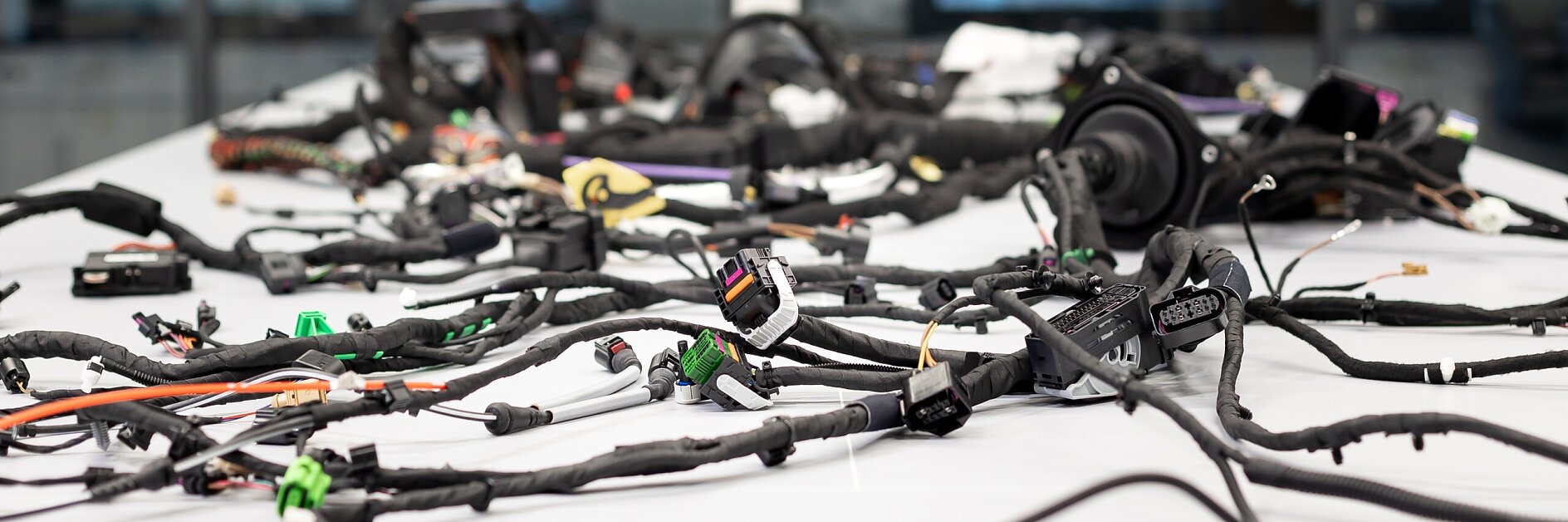
Core Selection Logic
Using one tape for the whole vehicle is a common mistake because every harness zone faces different heat, vibration, moisture, and noise risks.
The correct method is to divide the harness into interior, engine compartment, chassis, door, roof, and high-voltage zones before choosing the tape type.
PVC tape works well for low-cost bundling and basic insulation. Cloth tape is stronger when the harness may rub against metal brackets, engine parts, or moving assemblies. Fleece tape is best when the target is soft contact, anti-rattle protection, and NVH improvement.
| Tape Type | Base Material | Best Application Zone | Main Advantage | Risk If Misused | Correct Selection Move |
|---|---|---|---|---|---|
| PVC Tape | PVC film | Dry cabin, dashboard, simple branch bundling | Low cost, flexible, easy wrapping | Edge lifting, softening, weak abrasion protection | Use only in low-heat and low-abrasion zones |
| Cloth Tape | PET woven fabric | Engine bay, chassis, seat rail, hinge area | High abrasion and tear resistance | Higher material cost if overused | Use where the harness contacts hard surfaces |
| Fleece Tape | PET non-woven fleece | Instrument panel, door trim, roof, cabin routing | Noise damping and soft surface protection | Bulky wrapping and moisture risk in exposed zones | Use for NVH-critical interior harness sections |
PVC Tape for Basic Harness Insulation
If PVC tape is used near strong heat, oil mist, or sharp contact points, the adhesive can age early and the harness may lose insulation protection.
The best solution is to use PVC tape only for economical bundling, branch fixation, and basic protection in controlled interior areas.
PVC film has good flexibility and conformability, so it wraps small-radius branches quickly. However, it is not the first choice for high-abrasion or high-temperature routes. Wrong: use PVC tape near engine contact points. Correct: reserve PVC for dry, low-stress harness sections.
Cloth Tape for Heat and Abrasion Protection
When a harness rubs against brackets, body edges, or engine-side structures, weak tape can allow insulation wear and create short-circuit risk.
The strongest practical solution is PET cloth tape with an automotive-grade adhesive system.
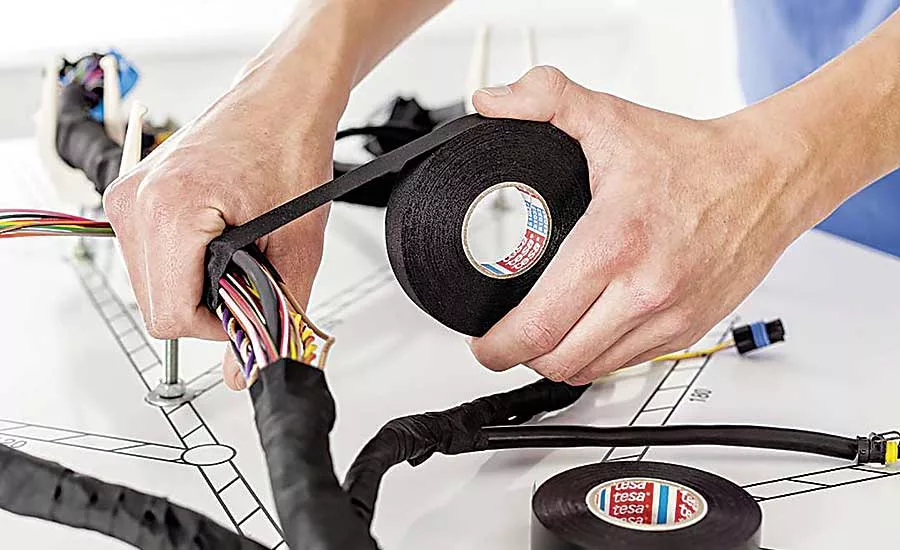
Woven PET cloth gives the tape a three-dimensional fiber structure, which improves tear resistance and surface durability. Many automotive cloth tapes are designed around temperature and abrasion classes used by OEM harness specifications. For harsh routing zones, cloth tape usually delivers better lifecycle value than low-cost PVC.
Fleece Tape for NVH and Cabin Comfort
If a cabin harness knocks against trim panels, metal supports, or plastic clips, customers may hear rattling and report poor vehicle quality.
The right solution is PET fleece tape for interior harness wrapping where noise damping matters more than maximum heat resistance.
Fleece tape uses a non-woven fiber structure to absorb vibration energy and soften contact surfaces. It is especially useful behind dashboards, door trims, pillars, roof modules, and infotainment harnesses. Wrong: use fleece as a universal engine-bay protection tape. Correct: use fleece as an NVH tape inside the passenger compartment.
Temperature and Abrasion Matching
A tape that passes room-temperature handling may fail after long thermal aging, especially when the harness is close to the engine, battery pack, or HVAC duct.
The correct solution is to match the tape temperature class with the real harness environment and then confirm it with supplier data sheets and OEM test requirements.
Current automotive cable design should consider the ISO 19642 series for road-vehicle cable vocabulary, design guidelines, and test methods.1 Tape suppliers also classify products by temperature, abrasion, and noise damping levels for wire harness applications.2 This prevents a cheap tape from becoming an expensive field failure.
| Harness Condition | Recommended Tape Direction | Why It Works |
|---|---|---|
| Low heat, low abrasion, cost-sensitive routing | PVC tape | Fast wrapping and economical insulation |
| Engine compartment or chassis abrasion | PET cloth tape | Better resistance against rubbing, tearing, and vibration wear |
| Cabin rattle and trim contact noise | PET fleece tape | Soft non-woven structure reduces noise transmission |
| EV high-voltage identification area | OEM-approved orange tape or sleeve system | Improves visual identification, but does not replace primary cable insulation |
Cost and Lifecycle Value
Buying the cheapest tape may reduce unit cost, but it can increase rework, customer complaints, and warranty cost when the vehicle enters real road conditions.
The better solution is to calculate tape value by lifecycle risk, not only by roll price.
PVC is the lowest-cost choice for simple interior use. Cloth tape costs more but reduces abrasion-related failure risk in harsh zones. Fleece tape is valuable when NVH performance affects perceived vehicle quality and customer satisfaction.
For sourcing teams: ask for a sample pack and test it on your real harness layout before mass production. A small sample validation can prevent large-scale wrapping rework later.
Future Trend in Automotive Harness Tape
As vehicles move toward EV platforms, more sensors, higher voltage, and tighter packaging, old tape selection habits can create hidden safety and assembly risks.
The best solution is to choose tapes that support lightweight routing, automated wrapping, recycled materials, and stronger heat or abrasion classification.
Automotive tape development is moving toward rPET backings, solvent-free adhesive systems, visual identification, and sleeve-style protection. For EV harnesses, tape should support routing stability and secondary protection, but the primary electrical safety still depends on qualified cables, connectors, shielding, and OEM-approved insulation systems.
FAQ
What tape is used for automotive wiring harnesses?
Using household tape on a vehicle harness can cause adhesive residue, weak aging resistance, and poor abrasion protection. The correct choice is automotive-grade PVC, PET cloth, or PET fleece tape based on the harness location and performance requirement.
Is cloth tape better than PVC tape for car wiring?
PVC tape can fail faster if the harness is exposed to vibration, heat, or repeated rubbing. Cloth tape is usually better for engine compartments, chassis routing, and abrasion-prone areas because its woven PET backing provides stronger mechanical protection.
What is fleece tape used for in automotive harnesses?
Interior harness noise can make a vehicle feel poorly built even when the electrical system still works. Fleece tape is used to reduce rattle, vibration noise, and hard contact between wire bundles and cabin trim parts.
Can I use regular electrical tape on a car wire harness?
Regular electrical tape may not survive automotive heat, oil, vibration, and long-term aging. Use automotive wire harness tape that matches the required temperature class, abrasion level, adhesive compatibility, and OEM specification.
Which tape is best for engine compartment wire harnesses?
Engine-side harnesses face heat, oil mist, vibration, and sharp-edge contact, so weak tape can lead to insulation wear. PET cloth tape or other OEM-approved high-temperature protective tape is the safer selection for engine compartment routing.
How do you reduce wire harness rattle noise?
Rattle noise usually appears when the harness repeatedly touches plastic trim, metal brackets, or body panels. Use fleece tape at contact points, add soft fixation, and confirm the routing gap during vehicle NVH validation.
Final Expert Recommendation
The most dangerous tape selection mistake is treating PVC, cloth, and fleece tape as interchangeable materials.
The correct strategy is simple: use PVC for cost-effective insulation, cloth tape for heat and abrasion, and fleece tape for NVH-sensitive cabin areas.
From FuQiang’s 15 years of automotive wire harness industry experience, the best tape is never selected by price alone. It is selected by route, temperature, vibration, contact surface, customer complaint risk, and validation standard. If you are developing a new harness project, send your harness zone, temperature target, and application drawing to FuQiang for a practical tape sample recommendation before mass production.
References
- ISO, ISO 19642-1:2023 Road vehicles — Automotive cables — Vocabulary and design guidelines; ISO, ISO 19642-2:2023 Road vehicles — Automotive cables — Test methods.
- tesa, Wire Harnessing Bundling & Protection technical brochure.
- tesa, Automotive wire harnessing tapes for secure bundling and protection.
- ASSEMBLY Magazine, Tape for Wire Harnesses.


