
What Is the Best Outer Covering Material for Automotive Wire Harness Protection?
If the wrong outer covering material is used on an automotive wire harness, vibration wear, oil swelling, water ingress, and thermal aging can turn a small insulation defect into a short circuit, ECU malfunction, warranty claim, or even a vehicle recall.
The most effective solution is not choosing one “strongest” material, but building a zone-based protection system: corrugated conduit for impact areas, braided sleeve for dynamic bending, heat shrink tubing for sealing points, and high-temperature polymer coating for engine or EV high-voltage zones.
Automotive wire harness protection is a materials engineering decision, not a packaging detail. A good outer covering must match temperature class, abrasion level, fluid exposure, bend radius, installation space, and fire-safety requirement at the same time.
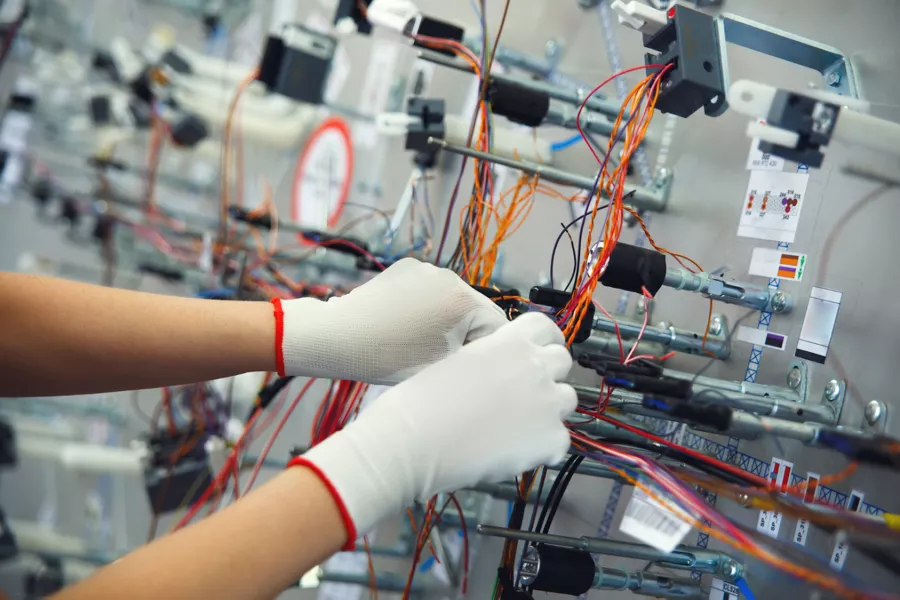
Why Does Automotive Wire Harness Outer Covering Fail?
When a wire harness runs through the engine bay, chassis, door hinge, or battery pack area without the right armor, the cable jacket can be rubbed through silently until copper is exposed and intermittent faults begin.
The correct fix is to define the local threat first: abrasion, heat, fluid, bending, stone impact, noise, or flame spread. Then select the outer covering material by function instead of only by price.
Wrong: using one low-cost PVC tape for every routing zone. Correct: using layered protection, such as PET tape plus PA conduit near sharp metal edges, or PET braided sleeve plus heat shrink sealing at branch exits.
| Harness Zone | Main Failure Risk | Recommended Outer Covering | Engineering Reason |
|---|---|---|---|
| Engine compartment | Heat aging, oil, vibration | PA corrugated conduit or high-temperature sleeve | Better heat and abrasion resistance under continuous thermal load |
| Chassis underbody | Stone impact, water, mud, salt spray | PA conduit with sealed fixing clips | Rigid-flexible protection prevents jacket cutting and compression damage |
| Door hinge | Repeated bending and rubbing | PET braided sleeve or woven tape | Flexible structure absorbs motion without creating hard stress points |
| Sensor branch | Moisture migration and connector-side leakage | Adhesive-lined heat shrink tubing | Seals the transition area and reduces capillary water movement |
| EV high-voltage routing | Thermal stress, insulation risk, arc damage | High-temperature sleeve with flame-retardant polymer layer | Improves insulation stability and fire barrier performance |
Is PA Corrugated Conduit the Best Choice for Engine Bay Wire Harnesses?
If a low-temperature or low-abrasion tube is installed close to the engine, turbocharger, fan shroud, or bracket edge, the conduit may crack, flatten, or lose retention, leaving the cable bundle exposed to heat and vibration wear.
The practical solution is to use PA6 or PA66 corrugated conduit in high-heat and high-abrasion routing zones, especially where harnesses pass near metal brackets, engine vibration sources, or chassis splash areas.
PA conduit works like a rigid-flexible shield. The corrugated geometry improves bending ability, while the nylon molecular structure gives strong wear resistance and better dimensional stability than many low-cost polyolefin tubes.
For OEM or Tier 1 projects, PA conduit should be checked against the real routing path, not only the catalog temperature. Ask for conduit samples and run a simple bend, rub, and heat-aging comparison before final harness drawing approval.
When Should PP Corrugated Tube Be Used Instead of PA?
If PA conduit is used everywhere without weight and flexibility analysis, the harness may become unnecessarily stiff, harder to assemble, and more expensive in low-heat body zones.
The better answer is to use PP corrugated tube in interior, instrument panel, roof, and low-temperature body harness areas where lightweight design and repeated flexing matter more than maximum abrasion strength.
PP has low density and good chemical resistance, making it useful for cost-sensitive and weight-sensitive harness routing. However, it should not be treated as a universal replacement for PA in hot engine or underbody impact areas.
Wrong: choosing PP tube for a high-temperature engine branch only because it is lighter. Correct: choosing PP for protected body routing and PA for thermal or impact zones.
Why Are PET Braided Sleeves Better for Moving Wire Harness Areas?
When a door harness, tailgate harness, seat harness, or steering-column harness is wrapped with a hard protective tube, repeated motion can create a concentrated bending point and accelerate conductor fatigue.
The correct solution is to use PET braided sleeve or flexible woven protection in dynamic bending zones, especially where the harness needs to move thousands of times during vehicle life.
PET braided sleeve distributes bending stress across a wider surface. Its open mesh structure gives flexibility, reduces noise, and protects against moderate abrasion without making the harness feel like a rigid pipe.
If the project involves door or seat movement, request a sleeve sample and test it on the real bend radius. A beautiful drawing is not enough; the harness must survive real motion.
How Does Heat Shrink Tubing Prevent Wire Harness Water Ingress?
If a branch point or connector transition is left with gaps, water can travel along the wire surface by capillary action, reaching terminals and causing green corrosion, signal drift, or sudden open-circuit failure.
The direct fix is adhesive-lined heat shrink tubing for sealing branch exits, splice areas, and sensor-side transitions where moisture protection is more important than easy disassembly.
During heating, the tube shrinks tightly around the cable bundle while the inner adhesive flows into small gaps. This creates a mechanical seal and moisture barrier around the most vulnerable transition area.
Wrong: relying only on electrical tape for wet-zone sealing. Correct: using adhesive-lined heat shrink tubing with controlled overlap and qualified heating parameters.
What Fire-Safety Requirement Should Wire Harness Covering Materials Meet?
If outer covering materials continue burning after ignition, a localized electrical fault can spread flame along the harness route and damage nearby plastic parts, trim, insulation foam, or battery components.
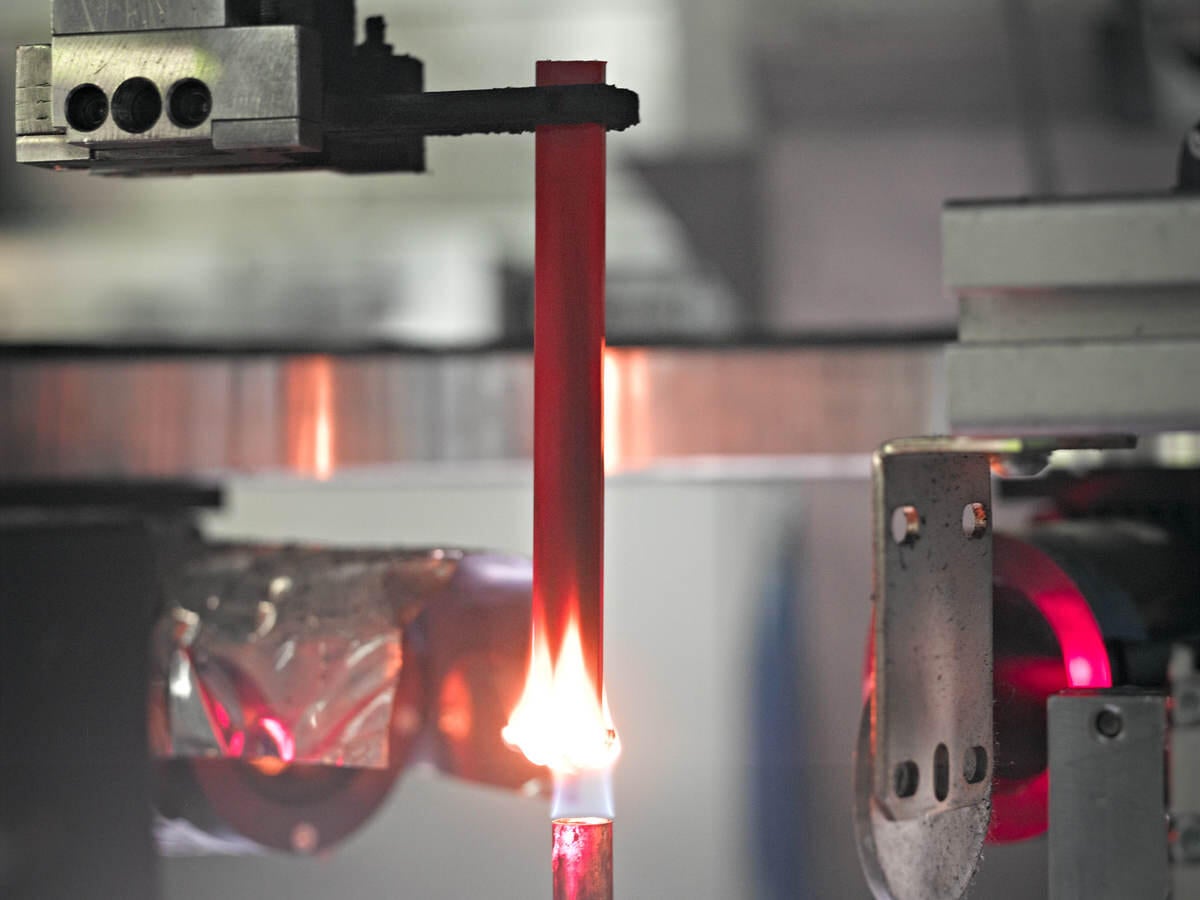
The solution is to select flame-retardant covering materials verified by recognized test methods, such as UL 94 vertical or horizontal flammability classifications for plastic materials and cable-related automotive validation standards where applicable.[3]
UL Solutions explains that UL 94 classifications are used to distinguish burning behavior after controlled flame exposure, including vertical and horizontal test methods.[3] For automotive harness design, flame rating should be considered together with smoke, dripping, thickness, temperature aging, and actual installation location.
How Should EV High-Voltage Wire Harness Protection Be Designed?
If EV high-voltage harness protection is designed like a normal 12 V body harness, insulation aging, heat concentration, shielding damage, and arc-related failure can create severe safety risks.
The better solution is a multi-layer protection strategy: orange high-voltage cable insulation, mechanical outer sleeve, sealed routing, abrasion isolation, and clear separation from sharp metal or high-heat components.
ISO 19642 includes automotive cable requirements for road vehicle applications, including higher-voltage cable categories used in modern vehicle electrical systems.[4] For EV projects, outer covering must support electrical safety, service identification, thermal stability, and mechanical durability at the same time.
For a new EV harness project, share your voltage class, routing drawing, ambient temperature, bend radius, and fixing-point design before mass production. This allows the protective sleeve and conduit choice to be validated before tooling and PPAP cost increase.
Which Standards Help Evaluate Automotive Wire Harness Protection?
Without standard-based validation, a material may look strong in a sample box but fail after vibration, thermal cycling, oil exposure, or flame testing in real vehicle service.
The correct approach is to connect material selection with recognized automotive cable, connector, and polymer flammability standards during the early design stage.
ISO 6722 specifies dimensions, test methods, and requirements for single-core road vehicle cables in 60 V and 600 V applications.[1] SAE J1128 covers low-voltage primary cable for surface vehicle electrical systems at 60 V DC or less.[2] SAE/USCAR-2 provides performance testing procedures for automotive electrical connector systems.[5]
| Reference | What It Helps Verify | Why It Matters for Covering Material |
|---|---|---|
| ISO 6722 | Road vehicle cable dimensions and test requirements | Helps match covering design with automotive cable performance expectations |
| SAE J1128 | Low-voltage primary cable use in vehicle electrical systems | Useful for 12 V and 48 V low-voltage harness design discussions |
| UL 94 | Plastic material flammability classification | Helps compare flame behavior of polymer sleeves, tubes, and molded parts |
| ISO 19642 | Automotive cable vocabulary and higher-voltage cable categories | Important for EV and high-voltage harness engineering review |
| SAE/USCAR-2 | Automotive connector system performance testing | Supports connector-side routing, vibration, and environmental validation |
How Do You Choose the Right Outer Covering Material for a Custom Harness Project?
If the supplier receives only wire length and connector part numbers, the finished harness may pass continuity testing but still fail after real vehicle vibration, heat, or moisture exposure.
The best solution is to give the harness manufacturer five key inputs: routing location, temperature range, abrasion risk, water or oil exposure, and required flexibility.
A professional harness engineer will not ask “Which sleeve do you want?” first. He will ask where the harness is installed, how it moves, what it touches, what fluid it sees, and what failure mode must never happen.
For faster technical review, send the routing photo, 2D drawing, connector list, wire specification, and expected annual volume. A small sleeve or conduit sample can often prevent a large design mistake before tooling begins.
FAQ: Automotive Wire Harness Outer Covering Materials
What is the outer covering of an automotive wire harness called?
It can be called wire harness sleeve, conduit, corrugated tube, braided sleeve, protective loom, heat shrink tubing, harness tape, or outer sheath. The name depends on the material structure and installation function.
What is the best material for automotive wire harness protection?
There is no single best material for every area. PA corrugated conduit is strong for abrasion and heat, PP tube is light for body routing, PET braided sleeve is flexible for moving areas, and adhesive-lined heat shrink tubing is better for sealing branch points.
Is PVC good for automotive wire harness protection?
PVC can be used in some low-temperature and cost-sensitive areas, but it is not always suitable for high-heat engine compartments or demanding EV applications. Temperature rating, flame behavior, flexibility, and fluid resistance must be checked before selection.
Why do automotive wire harnesses use corrugated tubing?
Corrugated tubing protects wires from abrasion, impact, compression, and routing damage. The corrugated shape also allows the harness to bend more easily than a smooth rigid tube.
What is the difference between braided sleeve and corrugated conduit?
Braided sleeve is softer and better for flexible movement, noise reduction, and moderate abrasion. Corrugated conduit is stronger for impact, stone splash, and sharp-edge protection.
Can heat shrink tubing make a wire harness waterproof?
Adhesive-lined heat shrink tubing can improve local sealing at splices, branch exits, and connector transitions. However, full waterproof performance also depends on connector seals, wire insulation, routing direction, and assembly process control.
How do I reduce wire harness abrasion failure?
Use PA conduit near sharp metal and chassis zones, PET sleeve in flexible areas, anti-abrasion tape at contact points, and proper clips to stop uncontrolled harness movement. The harness should not rub against brackets, bolts, or sheet metal during vibration.
Final Expert Note
The outer covering of an automotive wire harness is not decoration. It is the armor system that decides whether the electrical network can survive heat, vibration, oil, water, bending, and fire risk over years of vehicle use.
After 15 years working with automotive wire harness projects, I have learned one simple rule: most harness failures are not caused by the copper wire itself, but by the protection strategy around it. If you are unsure which sleeve, conduit, tube, or tape fits your routing environment, send your harness drawing or request a small material sample before mass production. That one step can save months of troubleshooting later.
References
- ISO, “ISO 6722-1:2011 Road vehicles — 60 V and 600 V single-core cables.” https://www.iso.org/standard/50022.html
- ANSI Webstore, “SAE J1128 Low Voltage Primary Cable.” https://webstore.ansi.org/standards/sae/sae11282015j1128
- UL Solutions, “Combustion Fire Tests for Plastics.” https://www.ul.com/services/combustion-fire-tests-plastics
- BSI Group, “BS ISO 19642 Road vehicles — Automotive cables.” https://landingpage.bsigroup.com/LandingPage/Series?UPI=BS+ISO+19642
- SAE International, “USCAR-2 Performance Standard for Automotive Electrical Connector Systems.” https://www.sae.org/standards/uscar2-performance-standard-automotive-electrical-connector-systems
- Molex, “Automotive PCB and Wire Connectors.” https://www.molex.com/en-us/products/automotive-connectivity/automotive-pcb-wire-connectors


